The Definitive Guide to D-Psicose in South Africa.
Understanding the biochemistry, health applications, and sourcing of authentic Allulose—nature’s metabolic anomaly.
The Science of Allulose
Molecular Structure
Allulose, scientifically known as D-psicose, is an epimer of D-fructose. While structurally similar to regular table sugar, its spatial arrangement prevents the human body from metabolizing it efficiently. It was first identified in the 1940s inside wheat leaves and has since been derived naturally from figs, raisins, and maple syrup.
Metabolic Pathway
When ingested, approximately 70-84% of allulose is absorbed into the blood from the digestive tract via the GLUT5 transporter, but importantly, it is not used as energy. Instead, it is excreted intact. This provides the sensation and mouthfeel of sweetness while contributing virtually zero net calories to the organism.
Allulose Metabolic Absorption Flowchart
Clinical & Health Impact
The introduction of allulose to the health-conscious market marks a fundamental shift away from synthetic replacements toward biologically inert natural variants. Below are the extensively documented benefits associated with replacing sucrose with allulose.
Zero Glycemic Load
Because the body does not metabolize allulose, consuming it yields no spike in blood glucose or insulin levels. This makes it an essential dietary tool for individuals managing diabetes or executing a strict ketogenic protocol.
GLP-1 Secretion & Insulin Sensitivity
Clinical literature suggests that D-psicose actively stimulates the release of Glucagon-Like Peptide-1 (GLP-1), a critical hormone governing satiety and metabolic regulation. Concurrently, it improves peripheral insulin sensitivity and attenuates post-meal blood glucose spikes.
Explore the PubMed Medical Data →
Culinary Properties
Unlike Stevia or Erythritol, allulose caramelizes when exposed to heat and provides a bulk mirroring that of sucrose. It binds moisture brilliantly, allowing baked goods to retain softness without the sharp, metallic aftertaste associated with sugar alcohols.

| Sweetener Compound | Calories (per gram) | Glycemic Index (GI) | Digestive Tolerance | Caramelization |
|---|---|---|---|---|
| Allulose (D-Psicose) | 0.4 kcal | 0 | High | Yes |
| Sucrose (Table Sugar) | 4.0 kcal | 65 | High | Yes |
| Erythritol | 0.24 kcal | 0 | Moderate (potential bloating) | No |
| Stevia | 0 kcal | 0 | High | No (extract only) |
Procuring Authentic Allulose
Due to the complexity of the enzymatic extraction process, low-grade alternatives are often cut with fillers. Identifying suppliers committed to 100% organic, untampered allulose is critical.


South Africa's Trusted Source
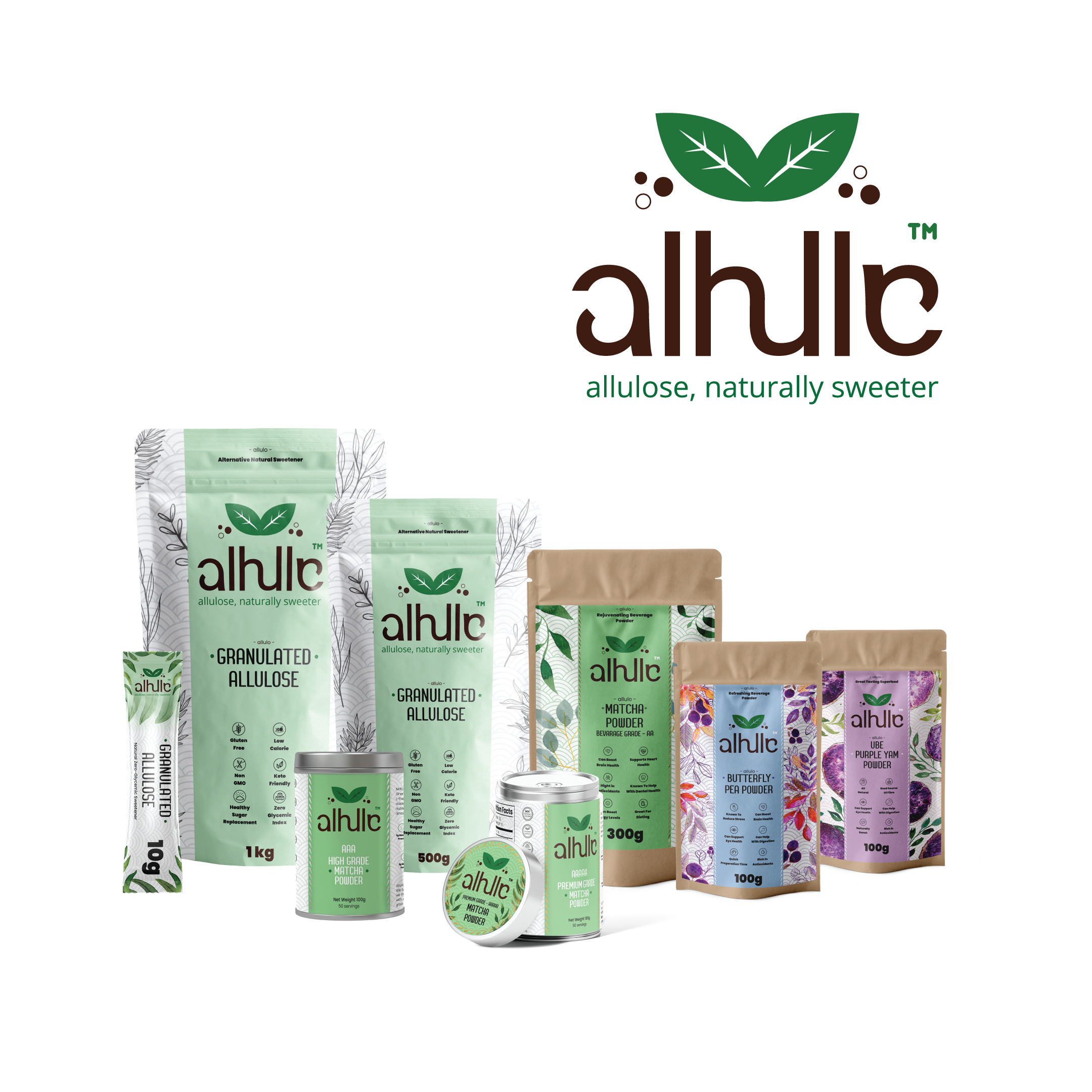
For research, culinary application, or personal health management, purity is paramount. Allulo operates as the premier distributor of 100% organic allulose across the region.
Acquire Allulose at Allulo.co.zaDeep Dive Research & Articles
Expand your knowledge base with extensive material hosted natively on the Allulo publication network. The articles below offer scientific breakdowns and culinary applications.
The Sweet Revolution
Unveiling the benefits of Allulose (D-Psicose) over other health sweeteners in a comprehensive analysis.
Sweet News for South Africa's Kitchens
A culinary exposition introducing allulose directly into regional dietary habits and baking standards.
Formulating Easy Allulose Caramels
Leveraging the compound's unique Maillard reaction properties to create perfectly textured, sugar-free caramels.
Certified Organic Allulose Sourcing
The rigorous process behind verifying and importing certified organic sweeteners for the South African market.
Frequently Asked Questions
Is Allulose legally recognized as sugar?
While chemically a carbohydrate, regulatory bodies globally (including the FDA) have exempted allulose from being listed as "Total Sugars" or "Added Sugars" on nutritional panels due to its distinct lack of metabolic impact.
Does Allulose cause digestive distress?
In contrast to sugar alcohols like xylitol, allulose is well tolerated by the digestive tract. Because it is actively absorbed into the blood before being excreted, it bypasses heavy fermentation in the lower gut, drastically reducing the chance of bloating.